
F1 25 SETUPS
Here you’ll find my complete collection of F1 25 car setups, created for every track and driving style. These setups are tested, optimized, and regularly updated to reflect the latest game patches, balance changes, and season updates because F1 never stops evolving, and neither do the cars.
Each setup is designed to help you get the best possible performance in time trials, career mode, league racing, or online competitions. Whether you need more stability, better tire management, or maximum straight-line speed, you’ll always find an option that fits your style.
This section will continue to grow throughout the year, with setups being refreshed and improved from season to season as the meta changes.
If you discover a setup that works even better for you, have performance suggestions, or simply want to ask questions about tuning, you can contact me directly I’m always happy to help the community go faster.
*The setups will receive updates
**Final setup adjustments may vary according to the driver’s style.
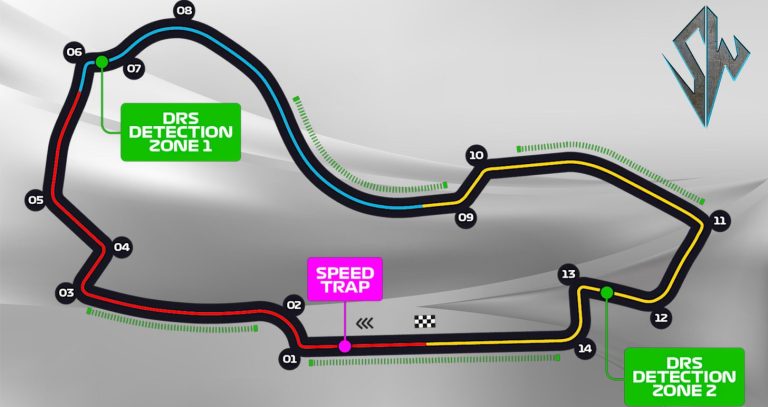
Australia
The track has been the home of the Australian Grand Prix since 1996 and is a particularly demanding circuit on the brakes, with heavy braking areas followed by continual accelerations. Fuel consumption also needs to be closely monitored. The narrow run-off areas mean that the barriers are close to the track, leading to regular appearances from the Safety Car.
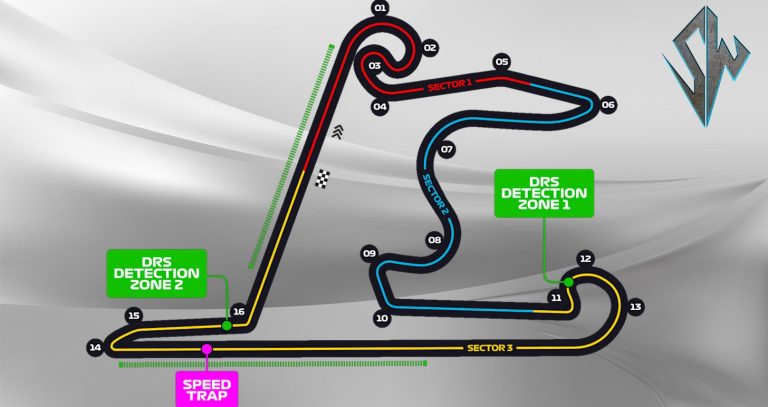
China
The circuit’s pleasing form when seen from the air – it’s designed to look like the Chinese symbol for ‘shang’, meaning upwards – is equally pleasing to the drivers on terra firma. There’s a unique start to the lap as the drivers fly into the ever-tightening Turns 1 and 2, before they dart left through 3 and 4. The super-high g force Turns 7 and 8 are loved by the drivers, while the circuit also features one of the longest straights on the calendar, the 1.2km stretch that separates Turns 13-14.
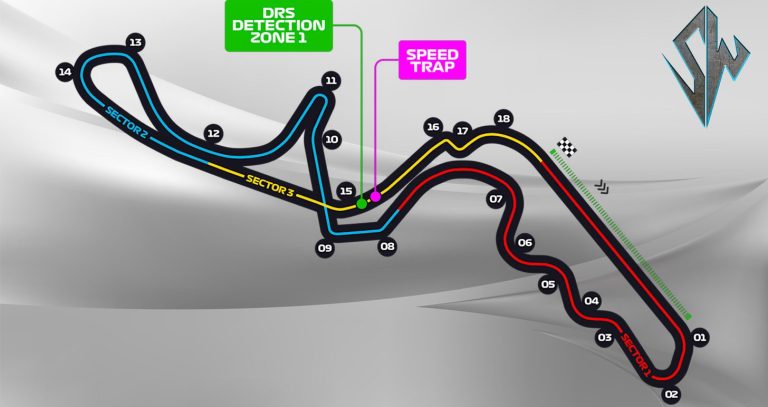
Japan
Show us a racing a driver who doesn’t love Suzuka, and we’ll show you a liar. The high-speed track remains one of the ultimate driving challenges, with the snaking ‘S’ Curves, the two commitment-rewarding Degners and the white-knuckle ride of 130R all highlights in a series of highlights at what is one of F1’s seminal tracks. And hey, it’s got a crossover, which is always cool, right?
Bahrain
You can usually expect great racing and decent amounts of overtaking in Bahrain, while the drivers have to contend with wind, racing under floodlights and the difficulty of finding a decent set-up with the wide temperature fluctuations between sessions. The track’s most challenging point is the tight, downhill, off-camber Turn 10 left-hander, while the fast run through Turn 12 is another highlight, allowing the racers to really feel their cars coming alive.
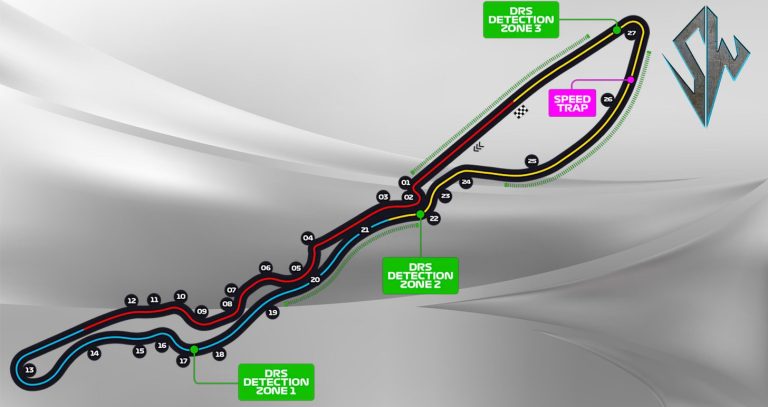
Saudi Arabian
In a remarkably short time, the Jeddah Corniche Circuit has carved out an identity all its own, quite distinct from the mainstream. It's a street circuit that rewrites the playbook, lacking the usual stop-start tropes. It boasts blistering high speeds and flowing banked corners, rather than a preponderance of tight, second-gear turns. It does have the ever-present drama of barriers hugging the track, ready to punish the slightest error on a flying lap – but it isn't a circuit where Qualifying position dictates the outcome. This is emphatically a track layout built for racing: plentiful overtaking zones invite bold moves lap after lap – yet the penalty for over-ambition is severe, with mistakes carrying enormous consequences. This potent mix makes the Saudi Arabian Grand Prix absolutely mesmerizing to watch, a race where leads can evaporate and fortunes transform in an instant.
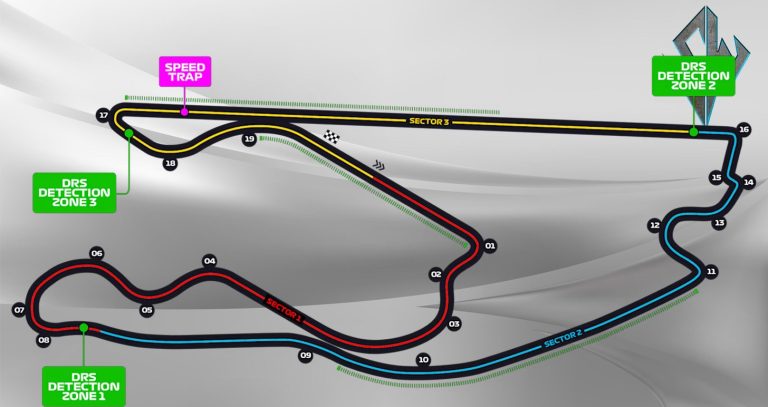
Miami
A street-track spectacular. With the Hard Rock Stadium at its epicentre, the 5.41km layout features 19 corners, three straights, three DRS zones, and top speeds of over 350km/h. There are elevation changes too, the main one found between Turns 13 and 16, with the track heading over an exit ramp and under various flyovers across uneven ground. The Turn 14-15 chicane, meanwhile, has an uphill approach, with a crest in the middle, and then drops down on exit.
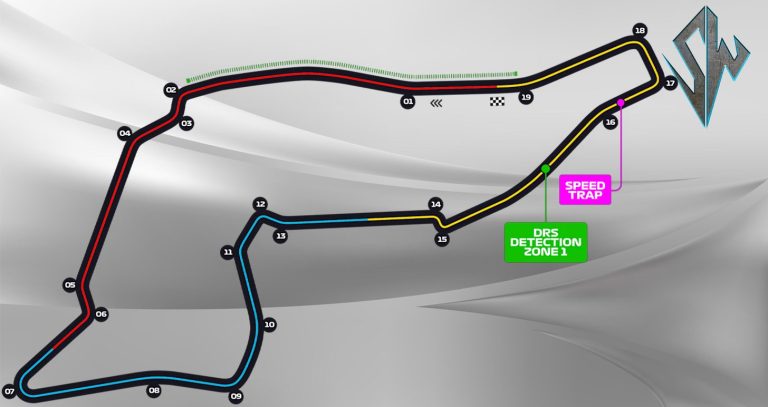
Imola
This is a 4.909-kilometre (3.050 miles) circuit run in an anti-clockwise direction, which places it among a minority of global racetracks and imposes particular physical demands on drivers' necks due to the altered G-force loading. It is an unapologetically old-school venue: relatively narrow, lined with high and aggressive kerbs, and its character is forged by 19 corners – ten to the left and nine to the right – that meander through the picturesque Santerno River valley.
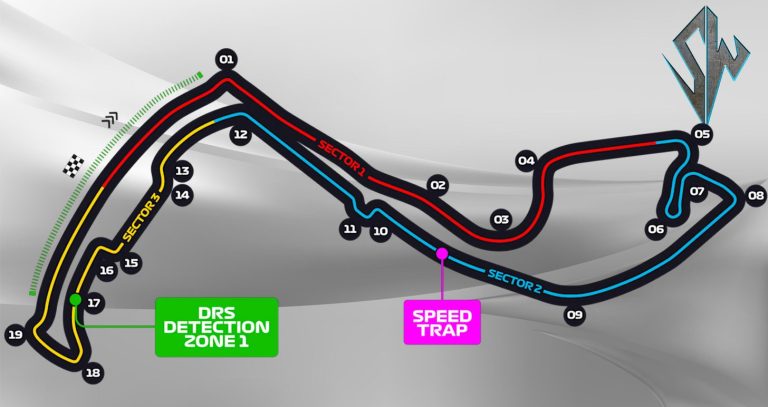
Monaco
Incredibly narrow and totally iconic. Nelson Piquet memorably described driving around Monaco as “like riding a bicycle around your living room”… which is fair. Despite that, it’s a challenge that nearly all drivers love, forcing them to put their skills on the line and rewarding millimetric accuracy. Overtaking on the tight streets is harder, however, with the 2003 Grand Prix witnessing a grand total of zero passing moves!
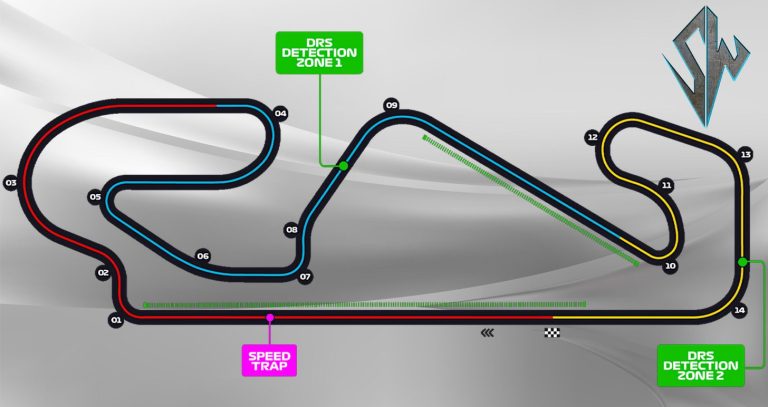
Spain
The drivers love the Circuit de Barcelona-Catalunya, which for many years was Formula 1's pre-season testing venue of choice. The track is a good mix of high- and low-speed corners, with the challenging Turn 3 right-hander a great chance to evaluate the balance of the car your team’s designers have given you to fight with for the year
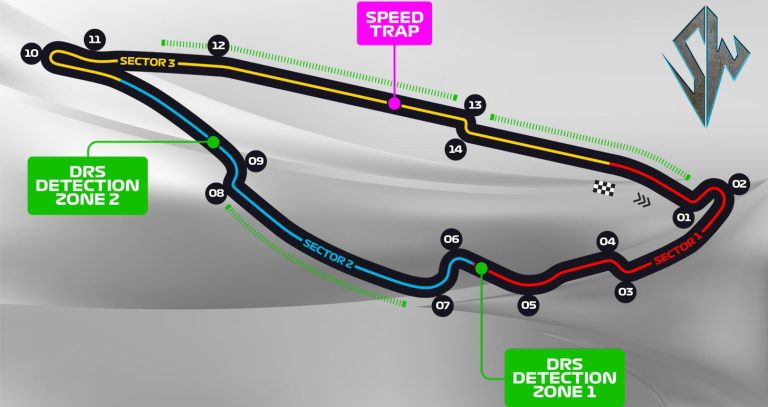
Canada
The fast, low-downforce circuit is one of the drivers’ favourites. The track is quite stop-start, with lots of heavy-braking chicanes and the famous hairpin to get the anchors working hard. Out of the corners, though, the track is quick and flowing, while the most iconic piece of the circuit comes right at the end of the lap: the Wall of Champions, so-called after excursions into it from Damon Hill, Jacques Villeneuve and Michael Schumacher during the 1999 Canadian Grand Prix weekend.
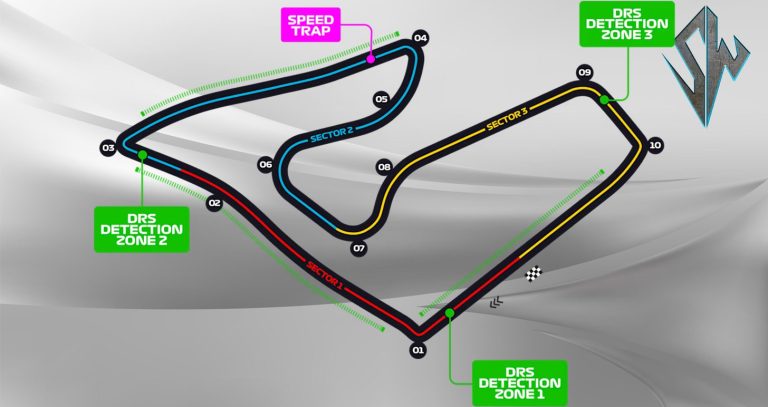
Austria
Few F1 circuits can deliver more action into a short lap than the iconic Red Bull Ring. Drivers spend the first half of each lap working their way uphill, and the second half speeding back down through quick and challenging corners.
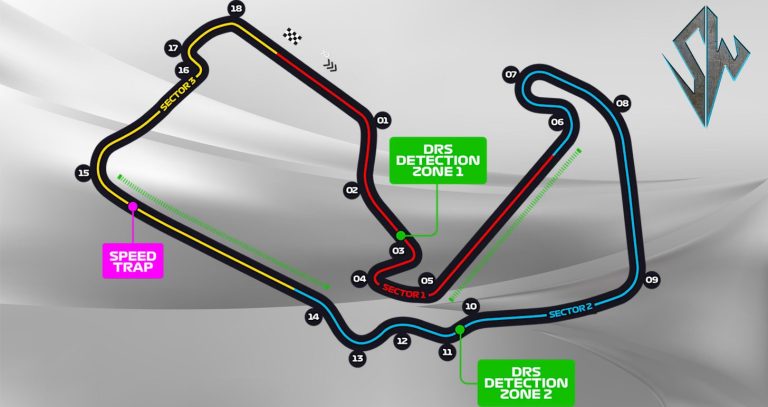
Great Britain
Silverstone Circuit, one of the most iconic racing venues in the world, hosted the first-ever Formula One World Championship™ round in 1950. With a rich racing history at every turn, the ‘Home of British Motorsport’ is known for its high-speeds and famous corners including Maggotts, Becketts and Copse.
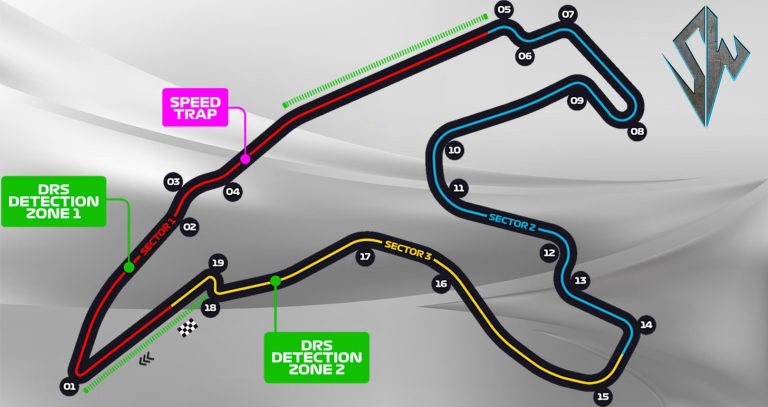
Belgium
Set among the picturesque Ardennes forest, Circuit de Spa-Francorchamps is a fan and driver favourite. Its blend of rich history, old-school design and challenging corners allows drivers to push their cars to the limit but that’s only if the weather cooperates. While the rain can often play a factor, it doesn’t put a damper on Grand Prix weekend.
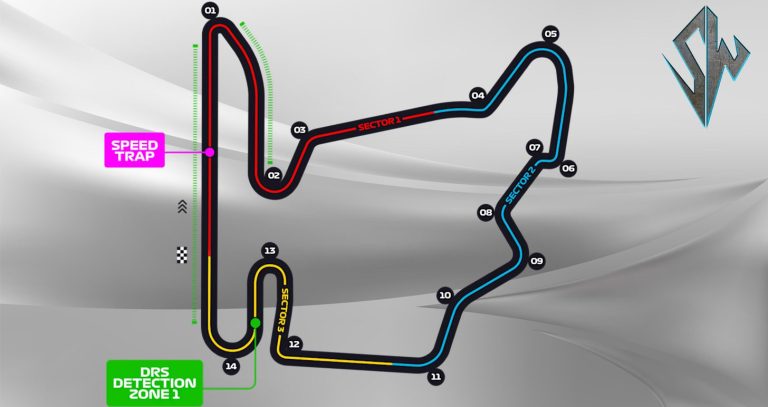
Hungary
The tight and twisty layout of the famed Hungaroring has produced some unforgettable racing moments over the years, and it offers some of the best panoramic views of any F1 circuit. It’s a challenging track for the drivers finding a groove is critical to locking in fast lap times.
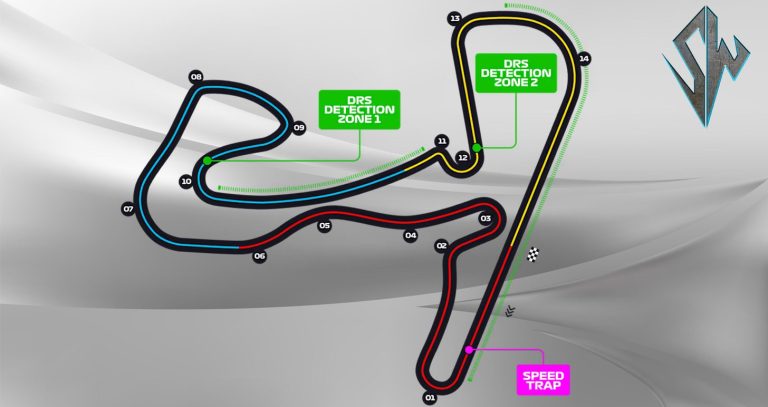
Netherlands
Circuit Zandvoort becomes a sea of orange during the Dutch Grand Prix™ weekend, filled with some of the most passionate fans you’ll find anywhere in the world. The swooping track set along the Dutch dunes can be challenging at points for the F1 drivers, creating plenty of exciting racing moments.
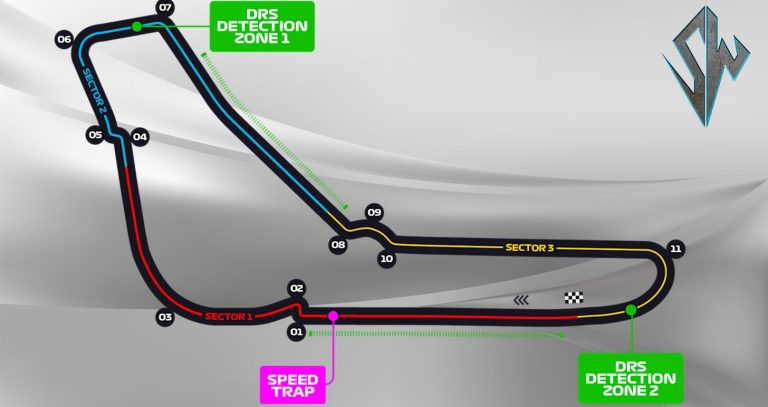
Monza
Steeped in history and synonymous with speed, Monza has hosted the Italian Grand Prix every year but one since 1950. Known as the ‘Temple of Speed’, it’s the fastest circuit in F1®, with drivers on full throttle for 80% of the lap and reaching speeds of more than 350 km/h. You’re sure to be surrounded by the passionate Italian ‘Tifosi’, dressed in red and waving Ferrari flags to show their unwavering support for the Prancing Horse at the F1 Team’s home Grand Prix™.
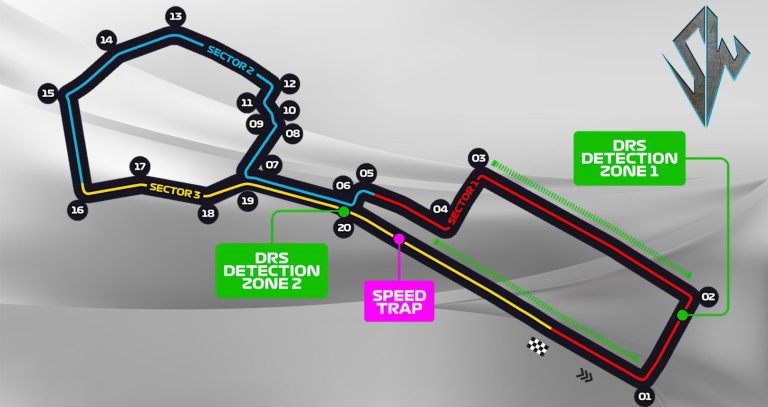
Azerbaijan
F1 first raced on the streets of Baku in 2016 — the original race there was called the European Grand Prix. The circuit is situated on the western shores of the Caspian Sea, in a city where East meets West and old meets new. The medieval Baku Fortress and the iconic Flame Towers create a unique and dynamic backdrop for an F1® street circuit.
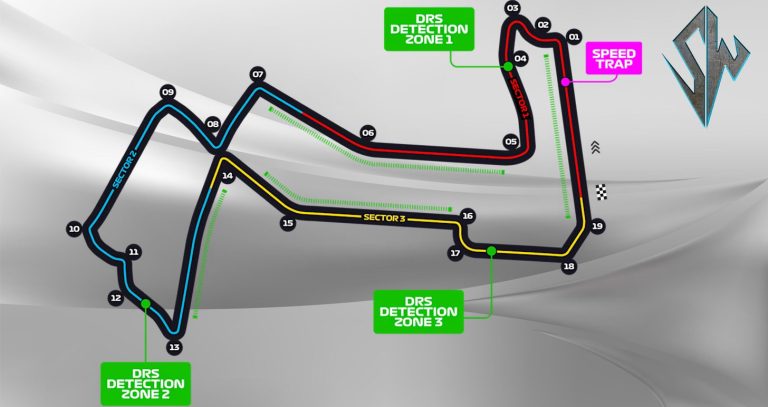
Singapore
Marina Bay Street Circuit hosted F1®’s first-ever night race in 2008. The Singapore Grand Prix™ is one of the most physically demanding for drivers, thanks to the bumpy streets and warm and humid weather.
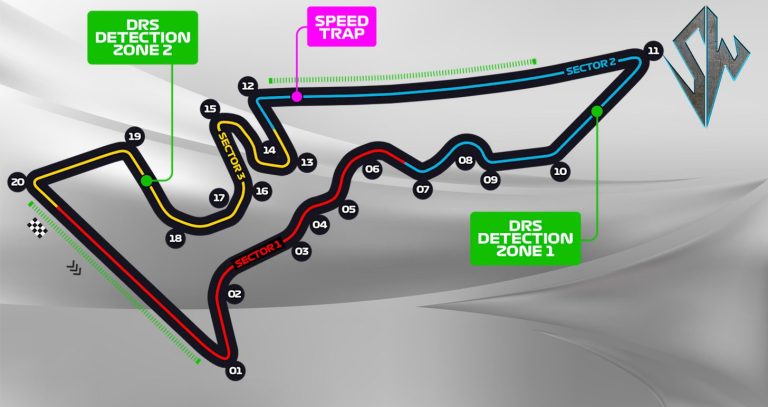
Texas
One of the most popular races on the calendar, F1® first took to the tarmac at Circuit of The Americas in 2012. The circuit is instantly recognizable thanks to a number of features scattered across the property, including the famous COTA Tower, the massive Texas and USA flags, and the iconic hill up to Turn 1.
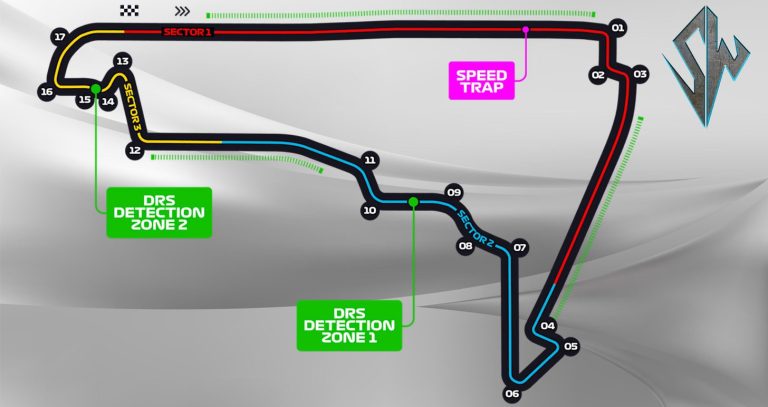
Mexico
Perched 2,240 metres above sea level, Autódromo Hermanos Rodríguez is the F1circuit with the highest-altitude by far! The Estadio section, where the track winds through an old baseball stadium, provides one of the most iconic settings in all of motorsport, and it’s one of the most sought-after by fans.
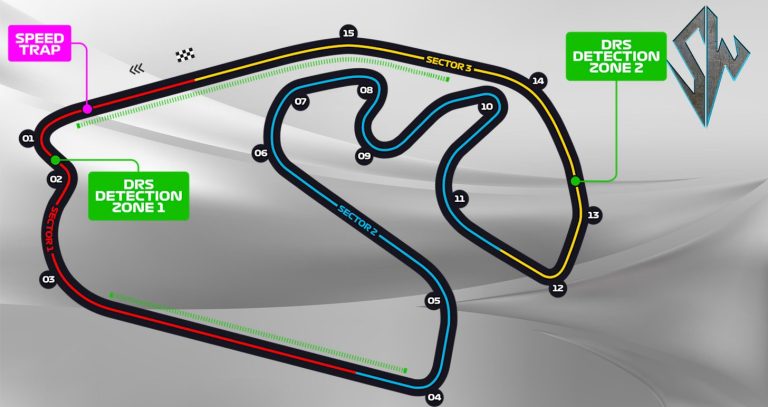
Brazil
Interlagos Circuit first made its way onto the F1 scene in 1973, and the local fans received the good fortune of seeing a Brazilian driver win his home race for the first three Brazilian Grands Prix. The circuit features a number of banked corners and a winding infield section.
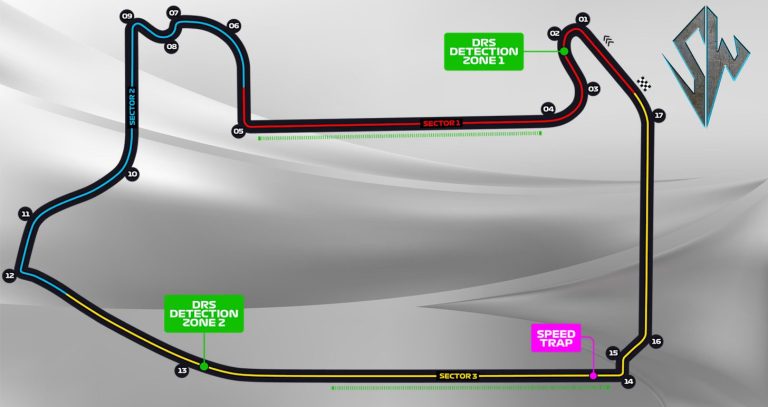
Las Vegas
Set in the heart of America’s Entertainment Capital, the Saturday night spectacle of the Las Vegas Grand Prix sees F1 race down the world-famous Strip, past many of the city’s iconic hotels and casinos, including the Bellagio, the Venetian and Caesars Palace. It’s fast, too average speeds rival those at Monza, which is known as the ‘Temple of Speed’.
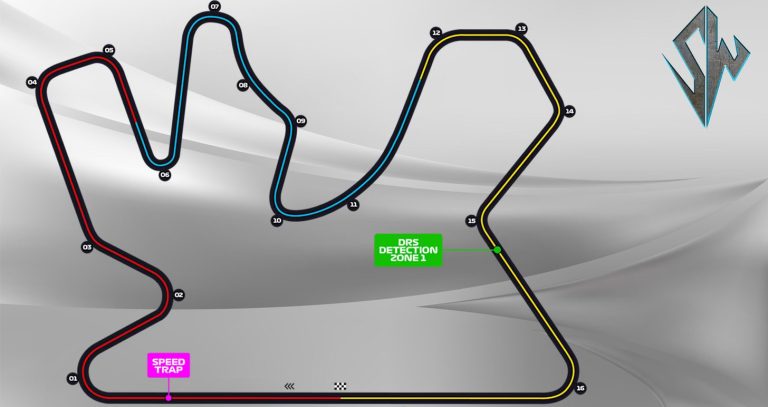
Qatar
Set just outside Qatar’s capital city of Doha, Lusail International Circuit first hosted an F1 Grand Prix in 2021. No race was held here in 2022 due to the country hosting the FIFA World Cup, but F1 returned in 2023 when the F1 circuit showcased its brand-new, ultra-modern hospitality spaces, including a state-of-the-art F1® Paddock and Pit Building.
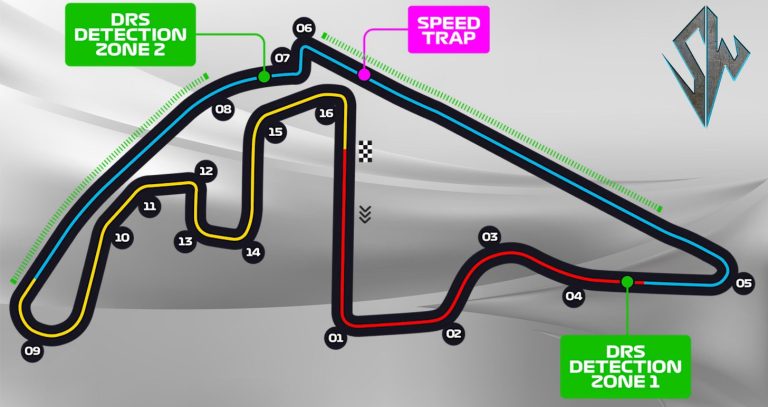
Abu Dhabi
Constructed at a cost of over $1 billion USD, Yas Marina Circuit is only part of what makes Yas Island a popular tourist destination. The F1 circuit features a number of cutting-edge and luxurious hospitality suites and is renowned for its stunning twilight Grand Prix, typically held as the season finale for F1.